
Two Years of Student Sustainability Insights: Reveals Strong Habits, Small Shifts
Over the past two academic years, we’ve been listening carefully to what students think, feel, and do about sustainability. By comparing the 2024/25 and 2025/26 sustainability‑related survey responses, a clear picture emerges: students are willing, increasingly aware, and ready for the University and themselves to do even more.
Everyday Sustainable Actions
Across both years, students consistently reported engaging in core sustainable behaviours such as:
Turning off lights and switching off appliances
Large majorities in both surveys said they switch off lights and electrical devices most of the time. This suggests strong embedded habits and a broad understanding of energy-saving basics.

Limiting waste at home
Behaviours such as using washing machines only for full loads, limiting shower time, and shopping for items with minimal packaging were common. While some categories dipped slightly year‑to‑year, overall awareness remains high.
Choosing reusable items
Both surveys showed very high use of reusable water bottles, coffee cups, and travel mugs. This continues to be one of the strongest sustainability habits across the student community.
Circularity & Conscious Consumption
Students demonstrated sustained interest in reuse and recycling practices.
Checking recycling labels
Around half of students reported doing this most of the time, with only a small minority rarely or never checking.
Donating and buying second-hand
Using campus donation points, buying from charity shops, or purchasing second‑hand online continues to be a mainstream behaviour among students.
Repair culture is emerging — slowly
Only a small proportion of students had repaired an item or visited a repair café. This is a potential growth area for the University, especially given sector‑wide interest in circular economy initiatives.

Nature, Wellbeing, and Sustainable Lifestyles
A standout trend across both years is the importance of nature for wellbeing.
Going for nature walks
A strong majority reported going for a walk or connecting with nature to relax. This reflects how sustainability and wellbeing overlap — and how campus green spaces are valued.
Fairtrade awareness
Engagement with Fairtrade purchases was moderate, suggesting an opportunity for further promotion of Fairtrade products on campus.
Awareness of University Sustainability Efforts: Growing but Mixed
Awareness of University initiatives increased slightly between the two years, though many students still felt “aware but not engaged.”
Areas students were most aware of:
- Conserving energy
- Sustainable travel initiatives
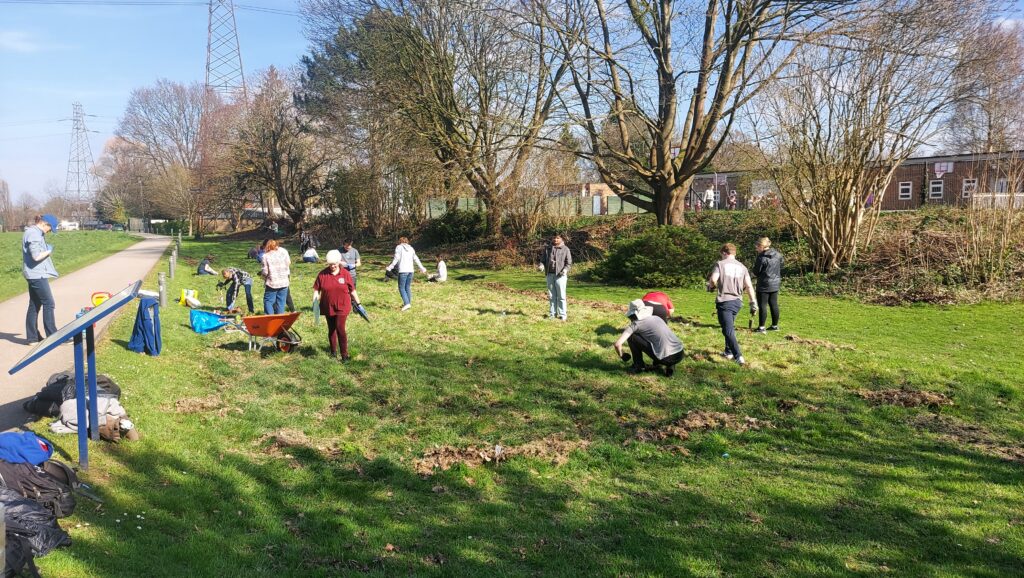
- Managing wildlife areas
Areas needing more visibility:
- Carbon Literacy training
- Embedding sustainability in the curriculum
- Promotion of the UN Sustainable Development Goals
These findings signal that communication and curriculum integration could have a deeper impact.
A Willing Student Body
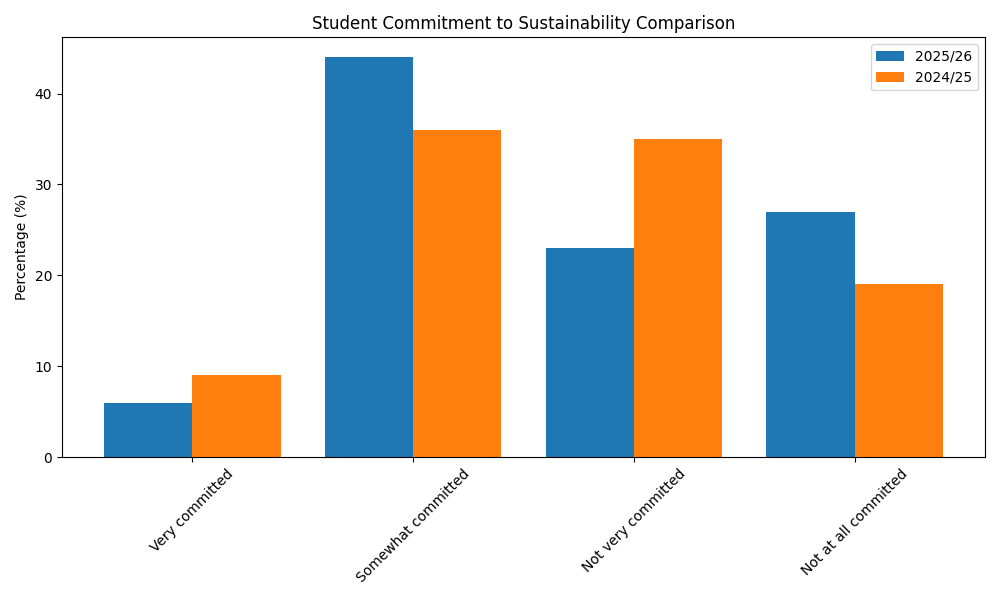
Across both surveys, the majority of students described themselves as:“Very committed” changed slightly (6% → 9%) — a small dip in the highest‑engagement group.“Somewhat committed” increased (36% → 44%), suggesting more students feel positively about sustainability even if not fully engaged.“Not very committed” dropped (35% → 23%), which is a positive shift.“Not at all committed” increased (19% → 27%), suggesting a polarisation effect.
This reinforces the message that students want to make sustainable choices — and they expect the University to help remove barriers and provide opportunities.
What This Means going forward
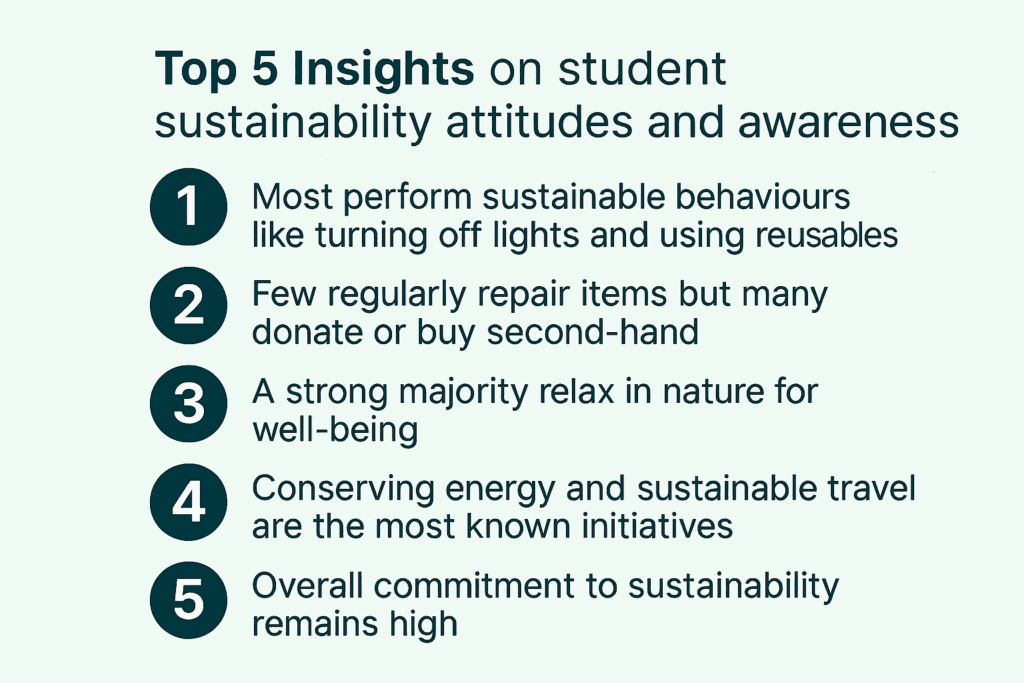
From two years of data, three big themes stand out:
1. Students already practice core sustainability habits
These behaviours are embedded and stable year‑to‑year.
2. Awareness is good — but active engagement can grow
Especially around curriculum, Carbon Literacy, and advanced sustainability opportunities.
3. Students value nature and wellbeing as part of sustainability
Green spaces, walking routes, and access to nature matter.