
By WPI Student Research Team – May 2026
Active travel, or walking and cycling, has become a global priority as cities look to reduce congestion, improve air quality, and support healthier lifestyles. However, while these challenges are widely recognised, they often take on a more complex and tangible form at the local level. In Worcester, UK, understanding how and why people travel to the city centre is key to encouraging a shift towards active travel.
Student researchers worked with Bike Worcester to explore travel behaviours, barriers to active travel and transport, and how these align with business owner perceptions. Through surveys, interviews, and observational data, we aimed to understand better what encourages or discourages people from walking or cycling when visiting local businesses.
What We Found
Our findings, shown in Figure 1, highlight that active travel is a vital part of how people move around Worcester. Walking emerged as the most common mode of transport to the city centre, followed by cars and then cycling. Recognising this underscores the importance of supporting active travel, which can motivate the audience to prioritise initiatives that enhance these modes for residents.
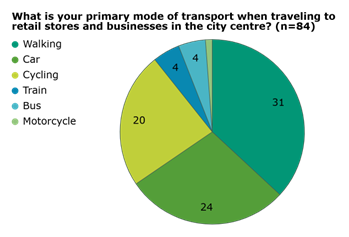
Figure 1: Primary Mode of Transport to the City Centre
However, despite this, car use remains dominant, particularly for longer journeys. This is shown in Figure 2. Notably, a portion of car trips were reported to be under 10 minutes, indicating that some journeys could realistically be shifted to cycling or walking.
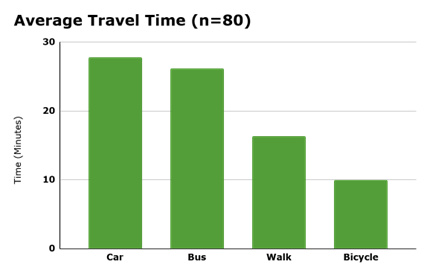
Figure 2: Average Transportation Travel Times
Key Barriers to Active Travel
One of the most significant barriers identified was the challenge of transporting goods, as seen in Figure 3. For many respondents, carrying shopping items made walking or cycling less practical, particularly without access to equipment such as baskets or cargo bikes.
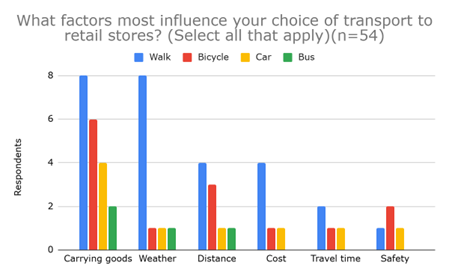
Figure 3: Factors Influencing Transport Choice
Safety was another major concern. Participants frequently cited motor vehicle traffic, poorly connected cycling infrastructure, and inadequate lighting as contributing to unsafe conditions. Interviews reinforced these findings, with cyclists highlighting frequent near misses, particularly at intersections where bike paths are disconnected or end abruptly. Limitations in public transport integration, such as the inability to bring bikes onto buses, also create further barriers for those considering mixed-mode travel. All this is shown in Figure 4.
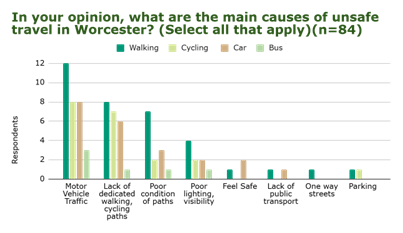
Figure 4: Reasons For Unsafe Travel
Bike theft also emerged as a key issue. Both members of the public and business owners expressed concerns about leaving bikes unattended, which discourages people from cycling into the city centre.
What Motivates Active Travel?
Despite these challenges, many respondents highlighted clear benefits of walking and cycling. Active travel was often described as more predictable, time-efficient, and convenient, particularly for short-distance trips. Cyclists noted their ability to avoid congestion and take more direct routes, while walkers appreciated the ease of access within the city centre.
Interestingly, those who regularly engage in active travel tend to view it as their default mode of transport. This suggests that familiarity and routine play an important role in shaping long-term behaviour.
A Disconnect with Business Perceptions
One of the more surprising findings was the difference between public behaviour and business owner perceptions. While survey data showed high levels of walking, most business owners believed their customers primarily travel by car. This mismatch highlights an opportunity better to communicate the value of active travel to local businesses.
Looking Ahead
Based on our findings, several recommendations were developed to support active travel in Worcester. These include increasing the availability of secure bike parking facilities, offering free bike racks to businesses, expanding access to cargo bikes, enforcing adequate cyclist passing distances for drivers, and enhancing public transport compatibility for cyclists.
Ultimately, Worcester already has a strong foundation for active travel. By addressing key barriers, particularly safety, infrastructure, and convenience, the city has the potential to shift travel behaviour toward more sustainable modes further.
As cities continue to rethink urban mobility, local insights like these are essential. In Worcester, the opportunity is clear: with the right support, active travel can become not just an alternative, but the preferred way to move through the city.
The students present their work
Read the full report