
When we think of heat stress, most of us picture dramatic scenarios—heat stroke, hospital visits, or severe dehydration. But what if the real impact of heatwaves is much closer to home… and far easier to overlook? Dr Jessica Mee, a researcher at the School of Sport and Exercise Science – University of Worcester, and a team of student researchers from Worcester Polytechnic Institute have collaborated to answer this question.
Their research in Worcester into heat stress reveals a surprising truth: nearly half of residents believe they aren’t affected by heatwaves—yet when asked more specifically, the majority admit their sleep, energy, and daily routines are disrupted.
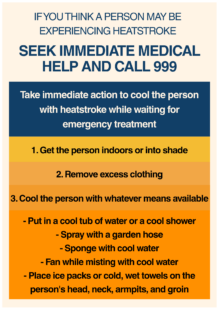
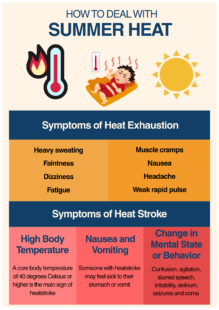
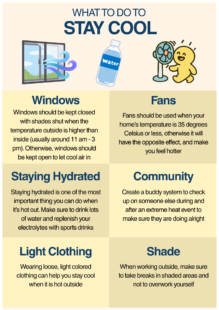
So what’s really going on?
Heat Is More Than Just “Hot Weather”
Over the past 60 years, the UK’s average summer temperature has risen by 1.4°C, making heatwaves more frequent and intense.
But the impacts aren’t always obvious. Heat doesn’t just cause extreme illness—it quietly affects:
- Sleep quality
- Concentration and productivity
- Mood and mental health
- Daily comfort at home and work
In fact, many people mistake everyday heat fatigue for serious conditions like heat exhaustion, showing just how confusing—and underestimated—heat risks can be.
The Hidden Impact: It Affects Everyone
Here’s the eye-opener on heat stress:
Even among people who said heatwaves don’t affect them, around 78% reported poorer sleep during hot weather.
That’s the reality of modern heatwaves—they don’t need to be extreme to have a real impact.
Whether it’s tossing and turning at night, struggling to focus at work, or feeling constantly drained, heat quietly chips away at our wellbeing.
Why Awareness Matters
One of the biggest challenges isn’t just the heat—it’s how we perceive it.
The research found a clear gap in awareness of heat stress:
- Many people don’t recognise early symptoms
- Few know about available community resources
- Some use cooling methods incorrectly or inconsistently
This lack of understanding can make heatwaves more dangerous than they need to be.
Simple Ways to Stay Cool (and Safe)
The good news? Small changes can make a big difference.
Here are a few practical tips you can start using today:
- Stay hydrated – drink water regularly, even before you feel thirsty
- Dress smart – wear light, breathable clothing
- Manage your home – close blinds and windows during the hottest part of the day
- Cool down actively – take cool showers or use damp cloths
- Look out for others – especially older adults and young children
These simple actions help your body cope—and can prevent bigger problems later.
A Community Issue, Not Just a Personal One
As heatwaves become more common, staying safe isn’t just an individual responsibility. Communities and cities have a role to play too.
Recommendations from the research include:
- Better public awareness campaigns
- Clearly mapped cooling centres
- Improved housing designed to stay cooler
Because ultimately, heat resilience is something we build together.
Final Thought
Heatwaves aren’t just extreme events—they’re everyday experiences that can affect all of us in subtle but meaningful ways.
The more we recognise those impacts, the better prepared we’ll be—not just to survive the heat, but to live well despite it.
Read the full report