What if the key to meaningful, lasting sustainability change wasn’t more funding—but more people?
At the University of Worcester, a quiet revolution is proving exactly that: students are creating impact. Built on student voice, co-creation, and community collaboration, their approach shows that you don’t need large budgets to deliver powerful environmental and social impact—you just need the right model, for influential, far-reaching, and
lasting outcomes.
A Hub of Ideas (and Plants, and Sewing Machines…)
And what started as a repurposed corridor has transformed into a vibrant Sustainability Hub—open seven days a week, filled with greenery, creativity, and connection. Students don’t just drop in—they shape the space.
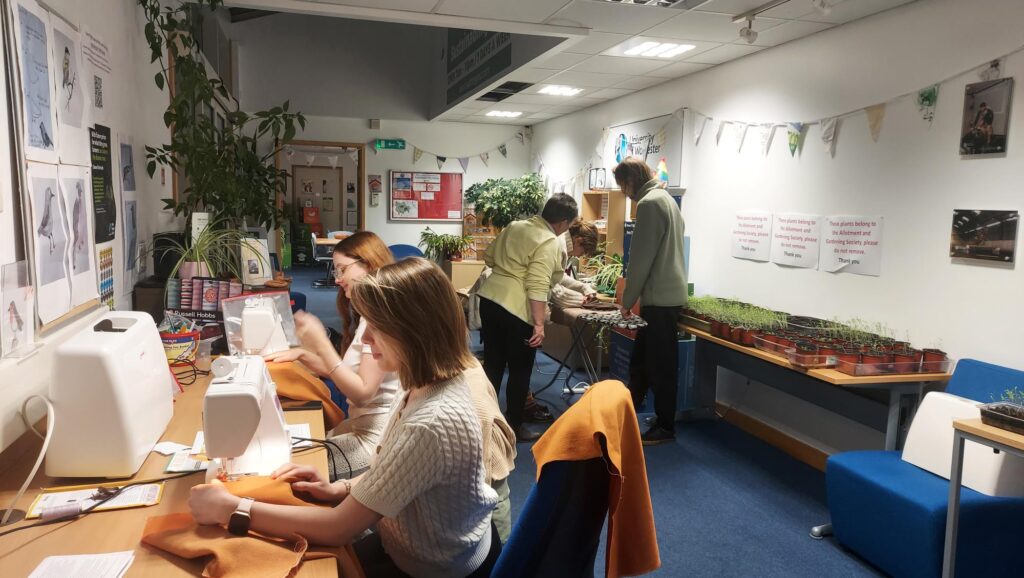
So on any given day, you might find:
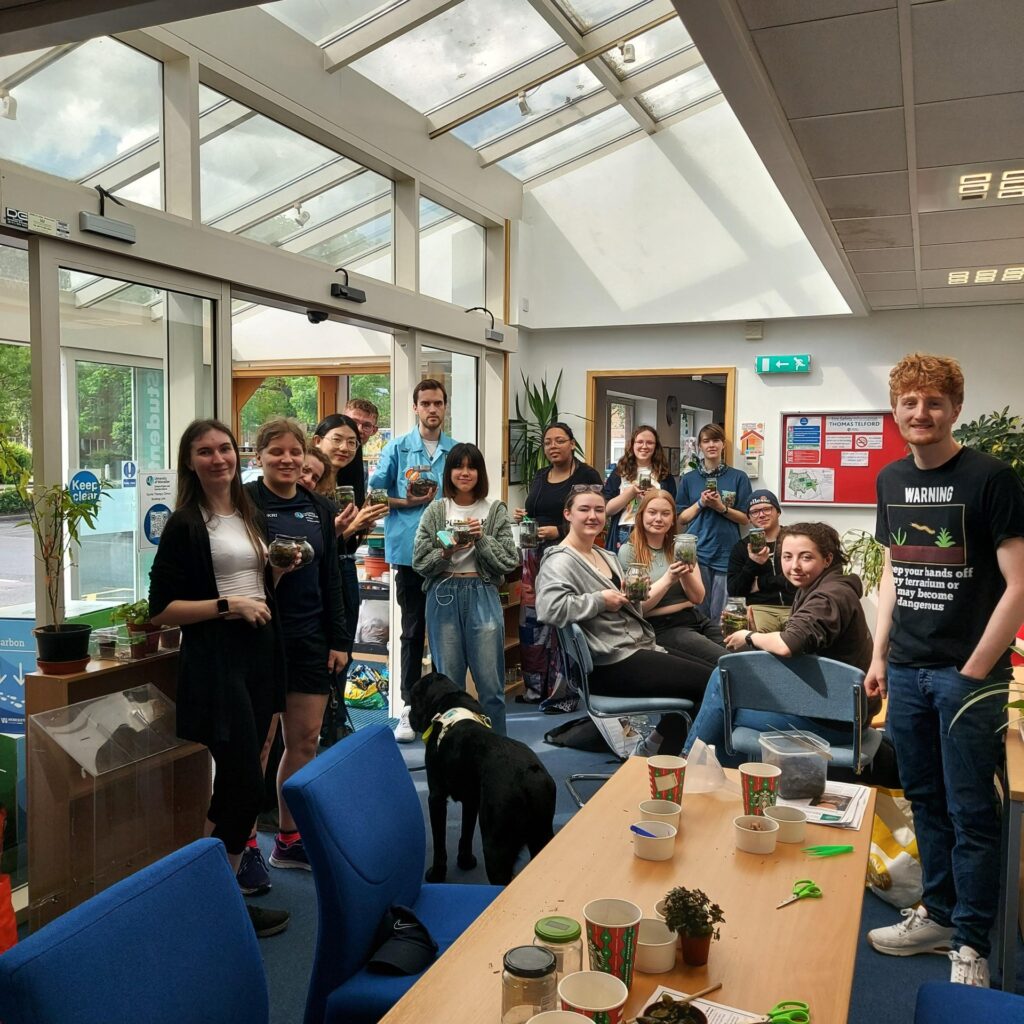
- A student-led terrarium workshop
- A community volunteer teaching sewing skills
- Free Fairtrade drinks and mindful craft sessions
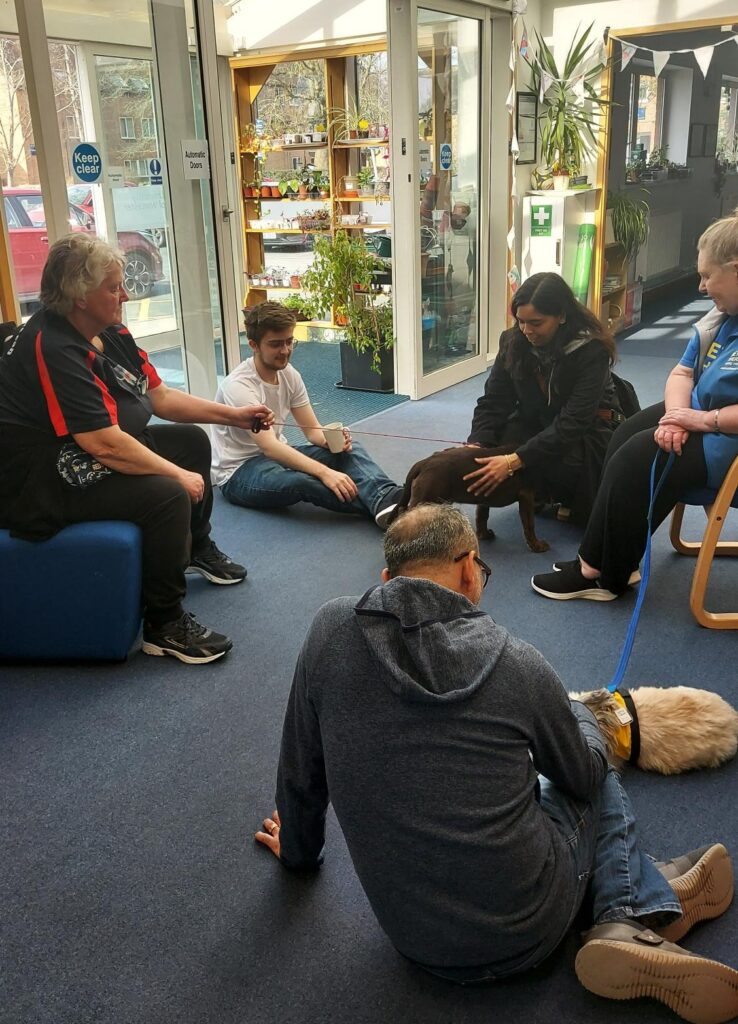
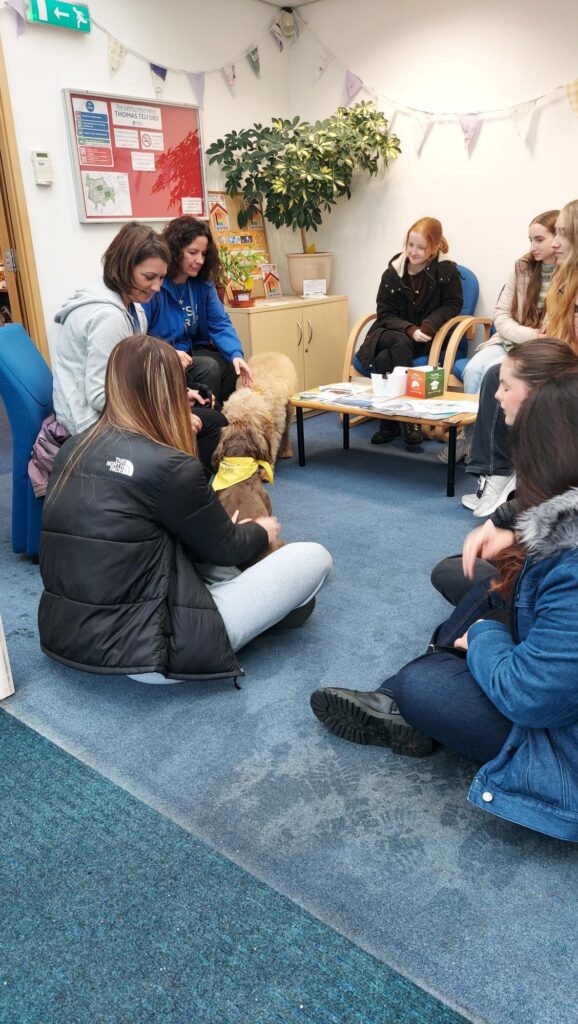
- Therapy dogs visiting to boost wellbeing
This is sustainability made tangible—social, accessible, and rooted in everyday experiences.
Students at the Centre
The real engine behind Worcester’s success is its students. Around 60 are actively involved in “earn as you learn” roles—working as sustainability mentors, auditors, researchers, creatives, and project assistants.
Their influence goes far beyond events. Students:
- Co-design sustainability initiatives
- Audit projects and processes
- Lead behaviour change campaigns
- Influence institutional decision-making
This isn’t participation—it’s partnership.
Circular Thinking in Action
The model is built on circular economy principles, turning “waste” into opportunity:
- Old uniforms become bags, bunting, and new garments
- Plants are propagated and shared across campus
- Furniture is repurposed instead of replaced
- Repairs are prioritised over purchases
The campus-based Repair Café alone has welcomed over 850 visitors, fixing hundreds of items and teaching valuable skills along the way. Now permanently based on campus, we look forward to building on their work and co-creating new ideas with students.
Big Impact, Small Budget
Perhaps the most compelling aspect? This is all achieved with minimal funding.
By leveraging existing networks, volunteers, and partnerships, Worcester has:
- Reduced operational costs
- Avoided significant capital expenditure
- Delivered measurable carbon reductions
- Strengthened community ties
It’s a lean, scalable model—one that other institutions can adopt without needing to reinvent the wheel.
Beyond Campus
The impact doesn’t stop at the university gates. Through partnerships with local organisations, students lead wellbeing walks, support biodiversity initiatives, and engage the wider community in sustainability action.
The result is a model that connects curriculum, campus, and community—delivering environmental, social, and economic value all at once.
The Bigger Lesson
Worcester’s experience offers a powerful takeaway:
When students are empowered as co-creators—not just participants—sustainability becomes something people live, not just learn about.
So in a sector often constrained by funding and complexity, this approach is refreshingly simple—and incredibly effective.
Because sometimes, the most sustainable solution isn’t about doing more.
It’s about doing it together.